The Institute of Agriculture of the Carpathian Region of the NAAS has more than half a century of history.
t dates back to 1945, when, in accordance with the Resolution of the USSR Council of People's Commissars No. 36-10 of March 21, 1945 and the Resolution of the Ukrainian SSR Council of People's Commissars No. 775 of May 12, 1945, the Lviv Agricultural Research Station was established with the main areas of work: selection and seed production of grain crops, agricultural engineering and chemicalization, feed production, vegetable growing, plant protection, animal husbandry, economics and organization of agricultural production.
It is impossible to understand, to deeply feel, to study the needs of the Earth, just as it is impossible to reach the Height of God. But to plunge into the world that has eternally nourished man is the mission of a scientist.
Hryhoriy Sedilo
Doctor of Agricultural Sciences, Professor, Corresponding Member of the NAAS
Generational Algorithms. History and Present
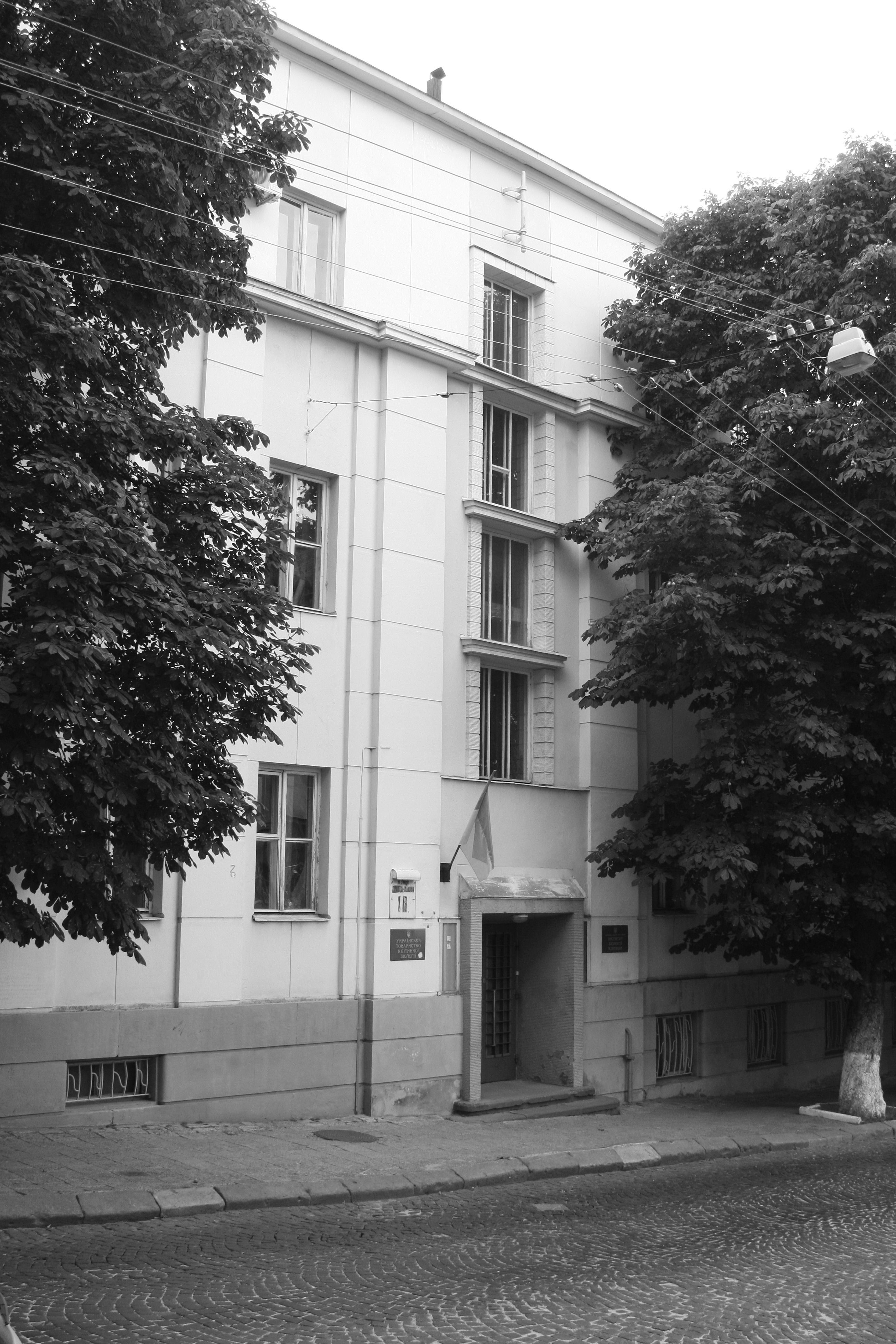
At the end of the 19th century. in the territories of Ukraine, transformations in the countryside required a scientific approach and the solution of the primary problems of increasing the productivity of both agriculture and animal husbandry. There was a need to develop agricultural science in a short time, to train production personnel of higher and secondary qualifications. During this period, research institutions, stations, higher and secondary educational institutions of an agricultural profile were organized, systematic training of specialists for collective farms and state farms, research institutions began, and painstaking research work was carried out aimed at solving urgent issues of agricultural production, especially in lowland, foothill and mountainous regions. The western regions of Ukraine differ significantly from the eastern and southern regions in soil and climatic conditions. The climate here is humid, moderately warm. Soils are very diverse in genetic origin, mostly low-fertile, acidic, gray, waterlogged. To increase their fertility, it is necessary to apply organic and mineral fertilizers, carry out liming, and land reclamation. In the mountainous areas of the Carpathians, the climate and soils change depending on the height above sea level. Soil erosion causes significant damage to the region. It covers up to 15% of all agricultural land. To increase fertility, intensive agrotechnical measures and a special scientific approach are required. These factors create specific conditions for the development of agriculture and animal husbandry, complicate and increase the total volume of scientific research, requiring them to be addressed in a zonal context. Scientific research was carried out by a network of research institutions with a single scientific and methodological coordination center. This was the Institute of Agrobiology at the Academy of Sciences of the Ukrainian SSR, organized in 1951 on the basis of the Lviv Museum of Natural History, which included 9 laboratories, and since July 1956, the Zonal Research Institute of Agriculture and Animal Husbandry of the Western Regions of the Ukrainian SSR, established in accordance with the Resolution of the Central Committee of the Communist Party of Ukraine and the Council of Ministers of the Ukrainian SSR of May 10, 1956 on the basis of the Lviv Agricultural Research Station and the Institute of Agrobiology of the Academy of Sciences of the Ukrainian SSR. The Institute was initially located in Lviv (14/16 Drahomanova Street), and later in the village of Obro-shyn, Pustomyty district, 20 km from the center of Lviv, in the premises of the summer residence of the Lviv archbishops.
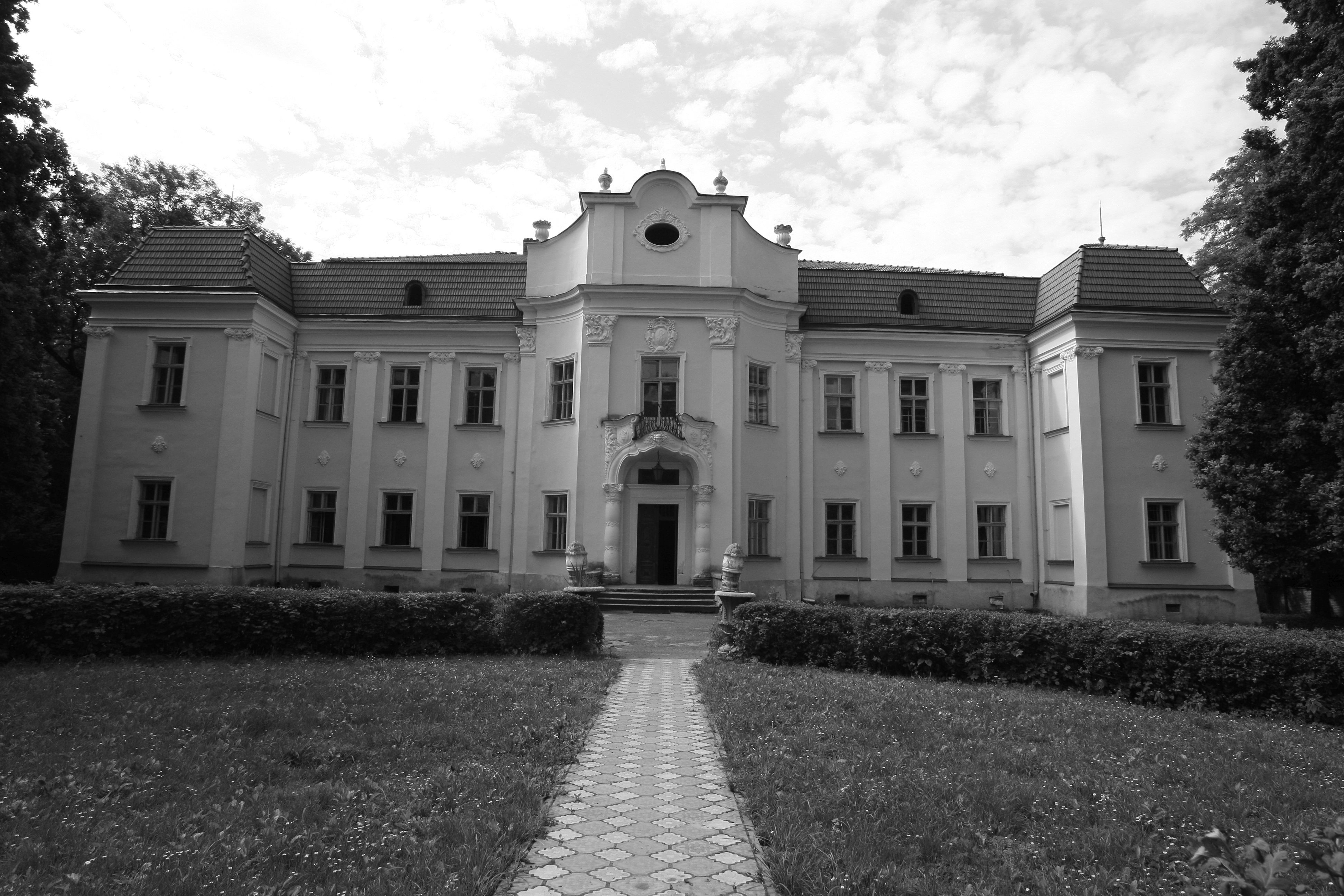
This architectural ensemble in the late Baroque style was built in 1730 according to the design of the Italian master J. Fontaine. The funds for the construction were provided by Archbishop Jan Skarbek, who at that time headed the Lviv curia and had considerable fame as a restorer of old church estates. After his death (1733), Archbishop Ferdinand Kitsky arranged the buildings and laid out a park area and a greenhouse, to which monks brought valuable and rare seedlings of trees and bushes from distant lands. The ensemble consists of a two-story building, a stable, two five-walled buildings with towers, a wrought-iron gate, on both sides of which two figures sit on pedestals: an old philosopher and a young dandy with a ball in his hand. Over time, these premises did not provide the necessary conditions for the volume and intensity of scientific work.
Therefore, in 1962, the question arose of building a new laboratory building. From 1956 to 1970, the institute was subordinated to the Ministry of Agriculture of the Ukrainian SSR, and since 1970 it became part of the Southern Branch of the All-Union Academy of Agricultural Sciences named after V. I. Lenin (VASGNIL), in accordance with the resolution of the Council of Ministers of the Ukrainian SSR dated January 5, 1970 No. 1 “On the Southern Branch of the VASGNIL” and the order of the Council of Ministers of the Ukrainian SSR, the Southern Branch of the VASGNIL dated January 23, 1970 No. 36/1 “On the transfer of scientific and research institutions directly to the subordination of the VASGNIL (for the organization of the Southern Branch)”.
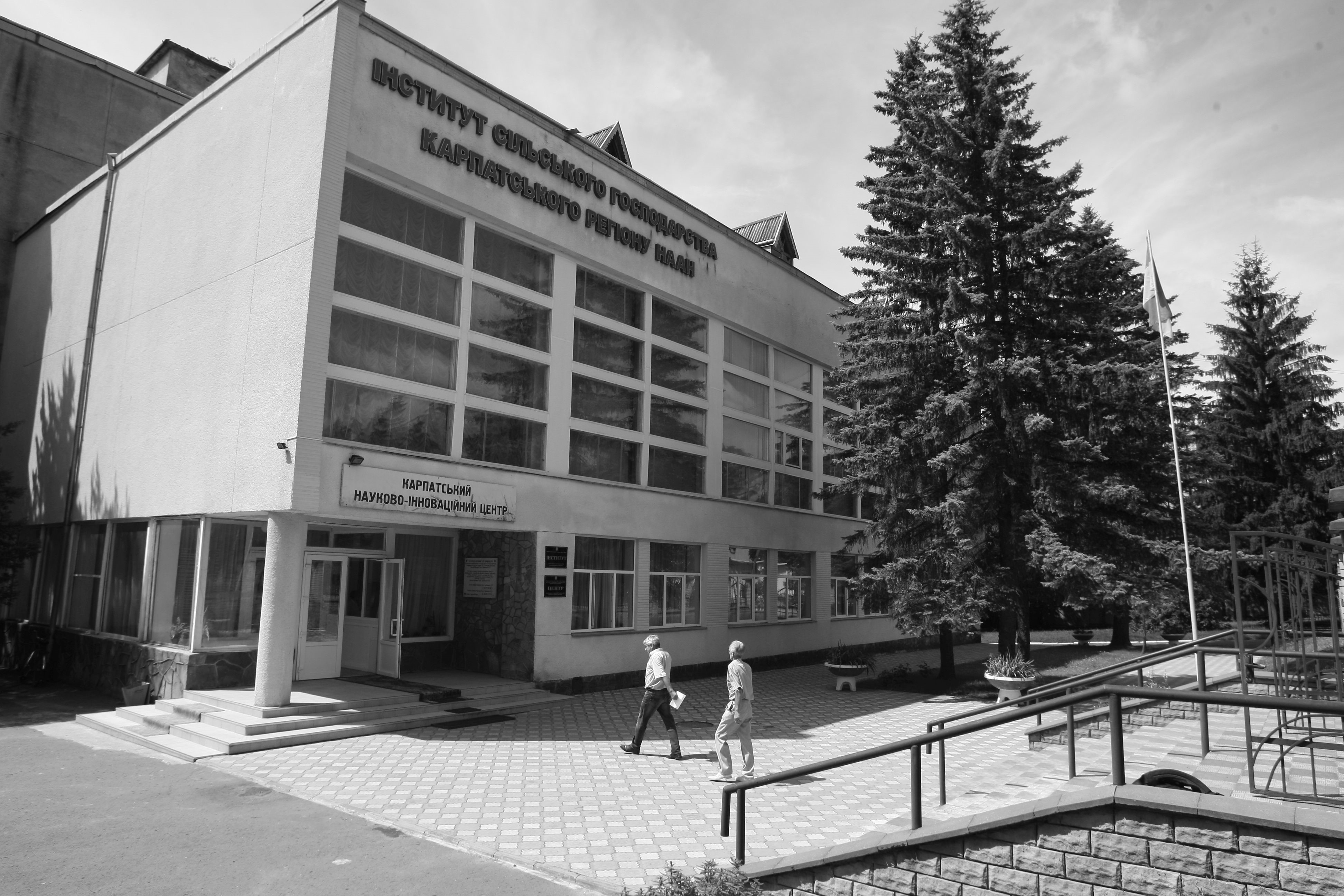
Administrative building of the institute
The institute conducted research in two branches of agriculture: agriculture and animal husbandry. Six regional state agricultural research stations were subordinated to it in methodological terms: Transcarpathian, Chernivtsi, Ivano-Frankivsk, Volyn, Rivne, Ternopil, as well as the zonal Mountain-Carpathian Agricultural Research Station and the Lviv Zonal Agrochemical Laboratory. The institute's branches are the Predcarpathian Agricultural Research Station of Drohobych district, two support points - the Radekhivskyi state farm (development of drained peatlands) of the Radekhiv district, the Verkhovyna state farm (agriculture and animal husbandry in mountain conditions) of the Skole district. In the Lviv region, the institute performed the functions of a state agricultural research station. The research base was located in the farm “Obroshino” and the seed farms “Radekhivskyi” of the Radekhivskyi and “Grusiatytskyi” of the Zhydachivskyi districts. The total land area was 16.3 thousand hectares. In different years, relevant scientific problems at the institute were developed by employees of a different number of departments and laboratories. In particular, plant-growing specialists developed farming systems for the natural and economic zones of the western regions. They created systems of crop rotation, soil cultivation, development of drained lands, combating soil erosion, fertilization technology, breeding new high-yielding varieties and seed production of regional and promising varieties of agricultural crops, agricultural techniques for grains, legumes, technical, fodder, field vegetable crops and potatoes, cultivated pastures and hayfields, and increased their productivity.
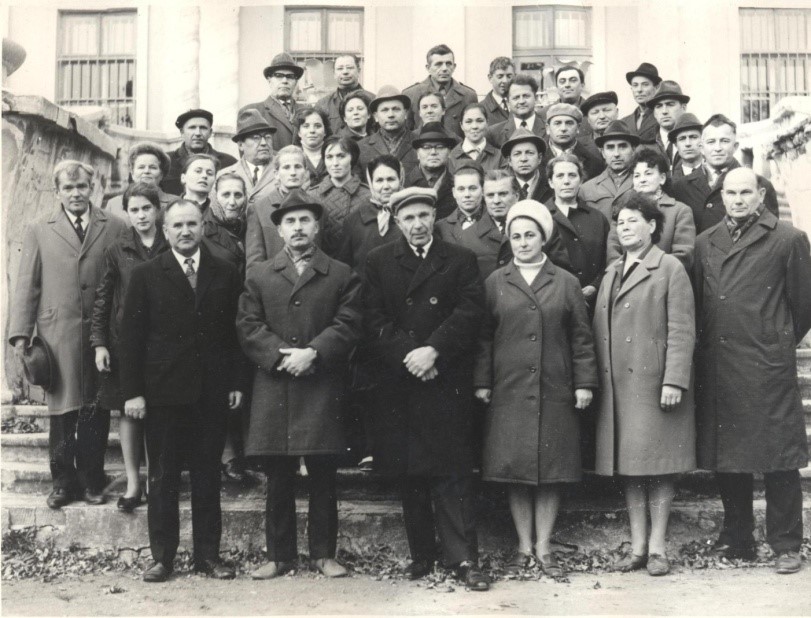
The staff of the Institute and the Department of Breeding and Seed Production of Agricultural Crops (1969). First row from left to right: M. N. Efremenkov, Candidate of Agricultural Sciences, M. I. Andrushkiv, Candidate of Agricultural Sciences, K. V. Malusha, Doctor of Agricultural Sciences, O. S. Alekseeva, Doctor of Agricultural Sciences, V. I. Mykhaylets, Candidate of Agricultural Sciences, Ya. E. Lomnytsky, Candidate of Agricultural Sciences
Doctor of Agricultural Sciences, Professor V. M. Evminov improved the method of crossing flax-longhorn. He proved that the formation of traits in hybrid material is greatly influenced by the age of pollen, as well as the soil and climatic conditions of growing the components of the crossing and hybrids. The results of research on varietal agricultural techniques of these crops were used as the basis for the development of intensive, alternative, resource-saving, environmentally safe and economically feasible technologies, which are still widely implemented in agricultural production. Highly qualified researchers, candidates of agricultural sciences Ya. I. Dedyshyn, A. V. Royko, G. P. Rarorg, A. S. Rasputenko, M. P. Hnatyuk, V. I. Koval, V. I. Fedko, Z. M. Kopchik, S. G. Slushnyak, R. M. Levitsky, M. S. Sviderko actively worked on the experiments. Two doctors of science, 20 candidates of science have been prepared, over 150 scientific articles, recommendations, booklets, and two monographs have been published. The scientific school of Doctor of Agricultural Sciences, Professor K. V. Malush (1958–1972) and Candidate of Agricultural Sciences M. I. Zamostny (1972–1985) improved the methodology and technology of breeding and seed work, studied the laws of biology of heredity of plant traits, and investigated the types of protective reactions of plants to damage.
Doctor of Agricultural Sciences, Professor O. S. Alekseeva created a rich source material for buckwheat breeding and bred six high-yielding varieties (Radekhivskaya Improved, Victoria, Gloria, Lada, Aelita, Victoria Podilskaya), developed methods for interspecific and intergeneric hybridization of this crop in field conditions. Local populations were studied, and their ecological classification was carried out. During the period 1956-1988, the institute created and zoned 29 varieties of grain, cereal, fodder and industrial crops, including one - spring wheat (Novopodilska), one - winter wheat (Halytska), two - winter barley (Palidum-48, Shchyretsky), two - fodder beans (Pikulovitsky-1, Burshtynsky-56), six - buckwheat (Radekhivska improved, Victoria, Gloria, Lada, Aelita, Victoria Podilska), two - long-stem flax (Zorya-87, LD-147), one - winter vetch (Stavchanka), two - fodder lupine (Rokynsky 58, Vympel), two - meadow and creeping clover (Peredkarpatska-33, Peredkarpatska-1), two - fodder beet (Lvivsky yellow, Obroshynsky yellow), one – of the combined sedge (Drohobychanka), one – of oats (Lvivskyi-1). By 2000, 21 varieties (except potatoes) had been created and submitted to the State Variety Testing, namely: two varieties of winter and spring barley, one of oats, three of winter vetch, two of long-stem flax, one of fodder beet, twenty of fodder crops and perennial herbs, as well as varieties of spring barley of the brewing type (Postup and Knyazhy). The school of Corresponding Member of the Academy of Sciences of the Ukrainian SSR, Professor G. V. Koziy, Doctor of Agricultural Sciences, Professor S. V. Begey, Candidates of Sciences I. M. Nesmyan and V. D. Gorb studied the increase in fodder production on fodder lands and field lands.
Новини інституту
Новина Інституту 1